9 Most Famous Italian Writers
Are you searching for the most famous Italian writers?
Italian writers have made a big impact on the world by writing in many different styles and times, making Italy’s culture even richer. These famous writers played a big part in forming Italy’s language and culture.
Not just for their own accomplishments, Italian writers have also been important in starting new trends in literature.
Related read: Most Famous Italian Poets
From humanism in the Renaissance, which was focused on the importance of old-style learning and the humanities, to verismo, which wanted to show real life without hiding anything, and even the tricky ideas of postmodernism, Italian writers have been leaders in thinking and art.
Check out our list of the most famous Italian writers worth knowing.
9 Most Famous Italian Writers

1. Dante Alighieri

Dante Alighieri, born circa 1265 in Florence, Italy, holds a distinguished place in literary history as the father of the Italian language.
His most famous work, The Divine Comedy, is a poetic masterpiece that intricately weaves a narrative of his journey through Hell, Purgatory, and Paradise.
Beyond his literary contributions, Dante was a multifaceted figure, encompassing roles as a philosopher, political thinker, and a pivotal influencer in the Renaissance movement.
His philosophical insights and profound exploration of the human experience have left a permanent mark on the cultural and intellectual landscape.
Dante Alighieri passed away on September 14, 1321, in Ravenna, Italy.
2. Petrarch

Francesco Petrarca, commonly known as Petrarch, was born on July 20, 1304, in Arezzo, Italy. A multifaceted figure, he was not only a poet but also a humanist, scholar, and the key figure in the founding of humanism.
His literary contributions included a range of poems composed in both Latin and Italian, with The Canzoniere standing out as his most renowned work. It is a collection of love sonnets dedicated to his muse, Laura.
Beyond his poetic endeavors, Petrarch played a pivotal role in the revival of classical literature, rediscovering and promoting the works of influential figures like Cicero and other classical authors. His influence extended to shaping the trajectory of the Italian Renaissance.
Petrarch passed away on July 19, 1374, in Arquà, Padua, Italy, at the age of 69.
3. Giovanni Boccaccio

Giovanni Boccaccio, born in 1313 in Certaldo, Italy, was a versatile figure renowned as a writer, poet, and humanist. He enjoyed a close friendship with Petrarch, another prominent figure of the time.
Boccaccio’s most celebrated work is The Decameron, a literary masterpiece consisting of 100 stories narrated by ten young people who escape the devastating plague in Florence. This collection offers a diverse range of tales that span from humor to tragedy, delving into profound themes such as love, morality, fortune, and the complexities of human nature.
Giovanni Boccaccio passed away on December 21, 1375, in Certaldo, Italy. His contributions to literature and humanistic thought have solidified his position as a key figure in the cultural landscape of the Italian Renaissance.
4. Niccolo Machiavelli
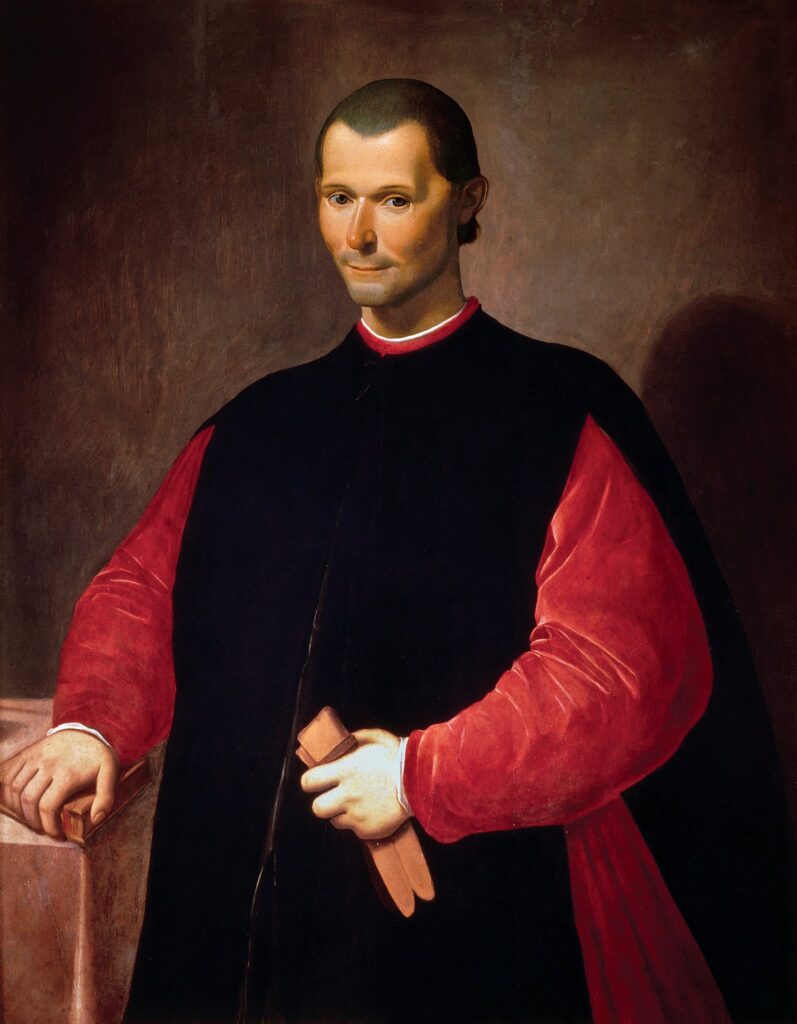
Niccolo Machiavelli, born on May 3, 1469, in Florence, Italy, was a significant figure of the Renaissance era. His diverse roles included serving as a diplomat, historian, philosopher, and writer, ultimately earning him the distinction of being the founder of modern political science.
Machiavelli achieved widespread recognition for his influential treatise, The Prince, a work noted for its insights into the acquisition and maintenance of political power. This book became really important in understanding how politics works, based on what he saw happening around him during that time.
Beyond The Prince, Machiavelli’s intellectual contributions extended to works including the history of Florence, treatises on the art of war, and the comedic play The Mandrake. His impact on political thought and historical analysis has left an enduring legacy.
Niccolo Machiavelli passed away on June 21, 1527, in Florence, Italy.
5. Giacomo Leopardi

Born in Recanati, Italy, on June 29, 1798, Giacomo Leopardi was a multifaceted figure encompassing roles as a poet, philosopher, scholar, and critic.
Renowned as one of the foremost lyric poets of the 19th century, his body of work includes numerous poems reflecting a pessimistic and melancholic perspective on life. Notable compositions such as “The Infinite,” “To Silvia,” and “The Saturday Night of the Village” capture Leopardi’s profound reflections.
In addition to his poetic endeavors, Leopardi delved into a variety of literary expressions, providing philosophical dialogues, essays, and an array of aphorisms meticulously compiled in Zibaldone.
Giacomo Leopardi passed away on June 14, 1837, in Naples, Italy.
6. Alessandro Manzoni

A distinguished figure in Italian literature, Alessandro Manzoni, born on March 7, 1785, in Milan, Italy, left an enduring legacy as a novelist, poet, and patriot.
His historical novel The Betrothed is considered a cornerstone in Italian literature. Manzoni’s work intricately weaves the tale of two lovers, Renzo and Lucia. Set against the backdrop of 17th century Lombardy during the Spanish occupation and the plague, the novel explores the challenges and adversities faced by the protagonists.
Beyond its narrative, The Betrothed serves as a reflection of Manzoni’s perspectives on religion, morality, and history.
The author’s impact continued until his passing on May 22, 1873, in Milan, Italy. His legacy is not only marked by his literary achievements but also by his dedication to the cultural and political ideals of his time.
7. Luigi Pirandello

Luigi Pirandello was born on June 28, 1867, in Agrigento, Italy, and went on to become a literary luminary renowned for his groundbreaking contributions to 20th-century literature.
A versatile talent, Pirandello earned acclaim as a novelist, playwright, and ultimately received the Nobel Prize for Literature. Pirandello’s creative endeavors delved into profound themes such as identity, illusion, and reality, showcasing a narrative style marked by metafiction and humor.
His literary legacy boasts masterpieces like the novels The Late Mattia Pascal and One, No One and One Hundred Thousand.
Luigi Pirandello died on December 10, 1936, in Rome, Italy.
8. Giovanni Verga

Born on September 2, 1840, in Vizzini, Italy, Giovanni Carmelo Verga di Fontanabianca was a prominent novelist and short story writer who played a crucial role in leading the verismo movement. This literary movement aimed to authentically portray the realities of life, with a specific focus on the challenges faced by the poor and oppressed. Through his works, Verga sought to provide a genuine representation of human experiences.
Giovanni Verga’s impact on Italian literature is particularly evident in his notable novels like The House by the Medlar Tree and Mastro-don Gesualdo. These works exemplify the principles of the verismo movement, showcasing a commitment to depicting life as it truly is.
Additionally, his short stories, including “Cavalleria Rusticana” and “The She-Wolf,” delve into the lives and struggles of Sicilian peasants and fishermen, offering a poignant reflection on their hardships.
Giovanni Verga died on January 27, 1922, in Catania, Italy. His dedication to portraying the unvarnished truths of human existence continues to be recognized and appreciated even today.
9. Ludovico Ariosto

Ludovico Ariosto, born on September 8, 1474, in Reggio Emilia, Italy, was not only a distinguished poet and courtier but also the brilliant mind behind the epic romance Orlando Furioso.
This literary masterpiece acts as a mirror, showcasing the intricate interplay of culture and politics during the Italian Renaissance.
Ariosto’s legacy endures through his contributions to literature, particularly his imaginative portrayal of chivalric tales. His profound impact is felt even beyond his lifetime, as he breathed life into the cultural landscape of his era.
The poet passed away on July 6, 1533, in Ferrara, Italy.